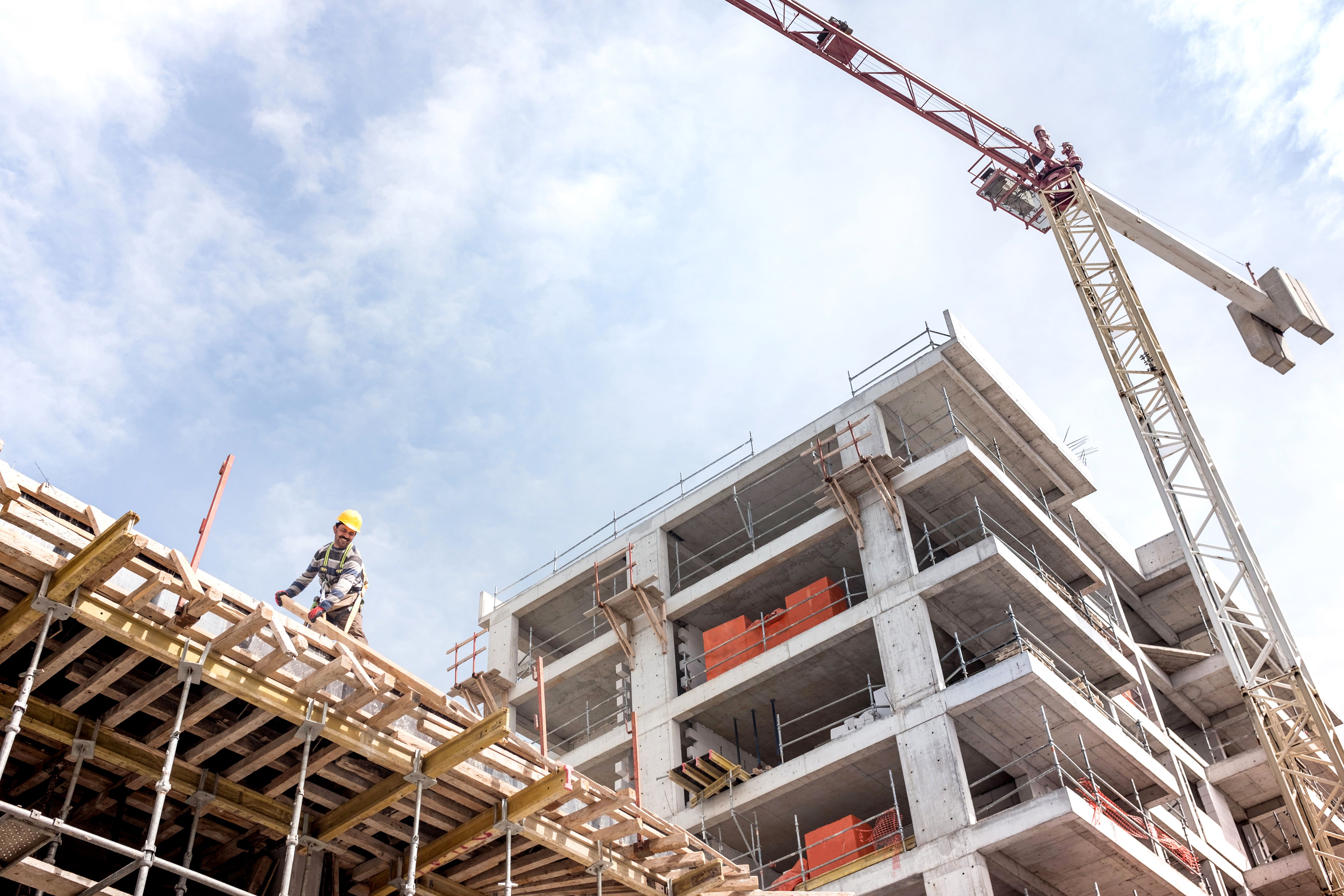
A Case Study: Successful Residential Demolition in Toronto’s Historic Neighborhoods
Introduction to Residential Demolition
Residential demolition in Toronto's historic neighborhoods is a complex process that balances the need for urban development with the preservation of cultural heritage. This case study explores a successful demolition project, highlighting the strategies and considerations involved.
Demolition in historic areas requires a nuanced approach. It’s not simply about removing old structures but also about ensuring that the neighborhood's character is maintained. This case study will delve into how one such project was executed successfully.
Understanding the Challenges
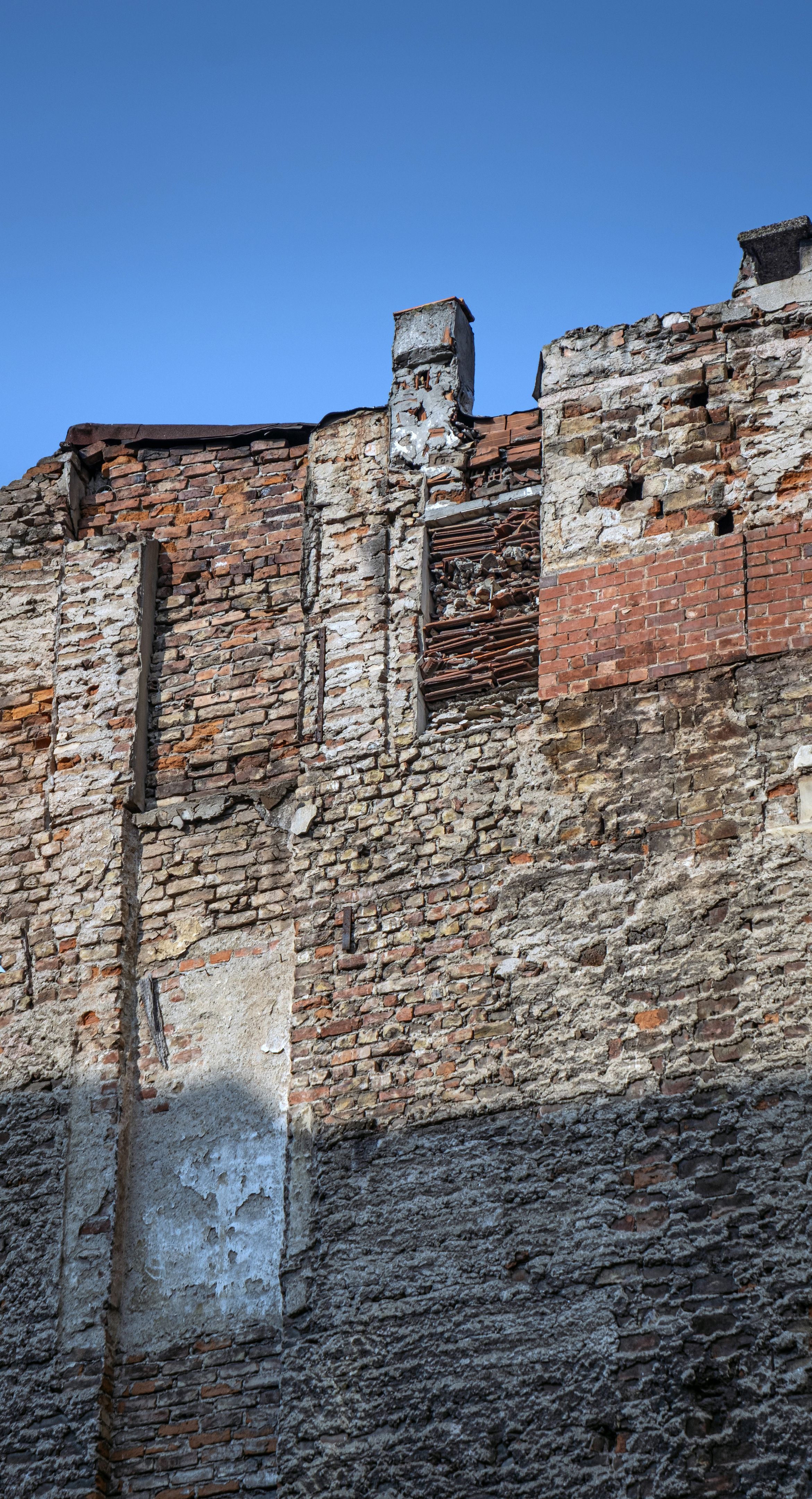
Demolishing a residential building in a historic area presents unique challenges. Key among these is adhering to strict regulations that govern heritage sites. These rules are designed to protect the architectural integrity and historical significance of the area.
Another challenge is community engagement. Residents often have strong emotional ties to these neighborhoods, making transparency and communication vital throughout the demolition process.
Regulatory Compliance
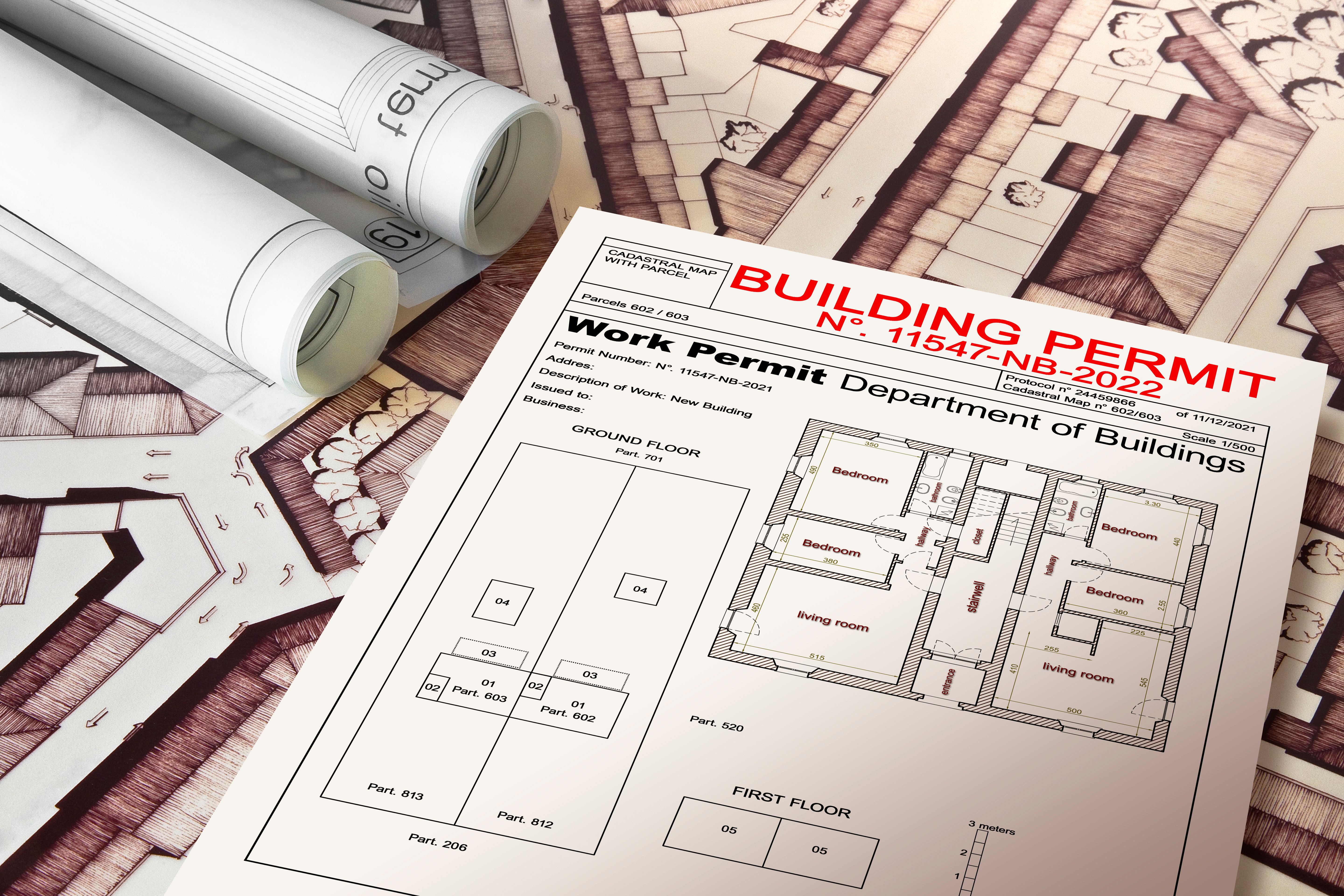
Ensuring regulatory compliance is crucial. The project team worked closely with local authorities and heritage conservation bodies to secure necessary permits. This collaboration ensured that all actions were within legal frameworks, preventing potential legal issues.
The process involved detailed documentation and evaluation of the building’s historical value, ensuring only non-essential structures were targeted for demolition.
Effective Community Engagement
Building trust with the community was a priority. The project team held several town hall meetings to discuss the demolition plans and address concerns. This open dialogue helped in gaining community support.
Feedback from these meetings was invaluable. It allowed the team to adjust their strategies to better align with community expectations and preserve the neighborhood's cultural essence.
Innovative Demolition Techniques
Innovative demolition techniques were employed to minimize disruption. The use of advanced machinery and environmentally friendly methods ensured that the process was efficient and sustainable.
Dust and noise control measures were implemented to reduce the impact on the surrounding area, demonstrating a commitment to maintaining the quality of life for residents during the project.

Outcome and Impact
The successful completion of the demolition project opened up opportunities for new developments that respect the historical context of the neighborhood. This balance of old and new has revitalized the area, attracting new residents and businesses.
Moreover, the project has set a benchmark for future demolitions in similar settings, showcasing how urban development can coexist with heritage preservation.
Key Takeaways
- Collaboration: Working with local authorities and the community is crucial.
- Compliance: Adhering to regulations protects historical integrity.
- Innovation: Using advanced techniques minimizes environmental impact.
This case study demonstrates that with the right approach, residential demolition in historic neighborhoods can be both successful and respectful of the past.