
Case Study: Successful Concrete Cutting Projects in Downtown Toronto
Introduction to Concrete Cutting in Toronto
Concrete cutting is an essential service in urban development, particularly in bustling cities like Toronto. With the city's rapid growth, precise and efficient concrete cutting has become vital for various construction and renovation projects. This case study explores several successful concrete cutting projects in downtown Toronto, highlighting the techniques, challenges, and outcomes.

Project 1: Renovation of Historic Buildings
One notable project involved the renovation of several historic buildings in downtown Toronto. The primary challenge was to maintain the structural integrity of these iconic structures while making necessary modifications. Concrete cutting experts utilized advanced techniques to carefully remove sections without causing damage.
The use of diamond wire cutting allowed for precise cuts with minimal vibration, preserving the delicate nature of these historic sites. This approach ensured that the renovations adhered to the city’s strict preservation guidelines while modernizing the buildings for current use.

Project 2: Expansion of Underground Facilities
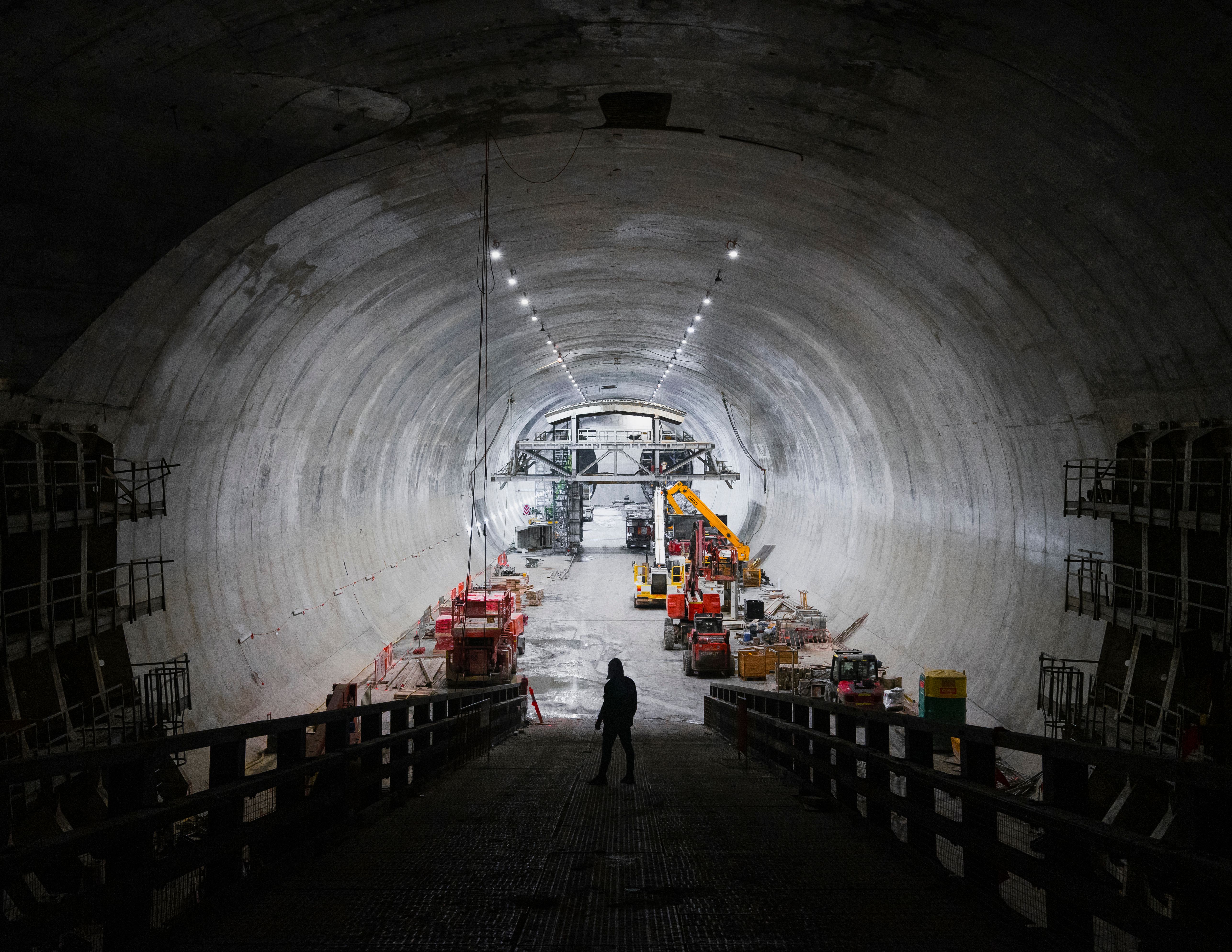
Another significant project was the expansion of underground facilities, including parking garages and utility spaces. This required concrete cutting in confined spaces, demanding both precision and efficiency. Specialists employed hydraulic sawing techniques to handle the tight quarters, ensuring clean cuts without compromising safety.
The project also involved cutting through reinforced concrete, which was efficiently managed by using high-power saws equipped with specialized blades. This method minimized downtime and allowed for the seamless expansion of the facilities.
Project 3: Infrastructure Development
Infrastructure development in downtown Toronto often involves upgrading roads and bridges. One project required the removal of large concrete sections to make way for new transportation routes. The team used flat sawing for horizontal surfaces, ensuring straight and accurate cuts.
This technique was particularly effective in managing traffic flow disruptions, as it allowed for quick removal and replacement of concrete sections. The result was a smoother transition and improved infrastructure for daily commuters.
Challenges and Solutions
Each of these projects presented unique challenges, from working in congested urban environments to dealing with varying concrete compositions. The solutions often involved a combination of advanced technology and skilled craftsmanship. By employing different cutting methods, the teams could adapt to each situation effectively.

Conclusion
These successful concrete cutting projects in downtown Toronto demonstrate the importance of expertise and innovation in urban development. By leveraging cutting-edge technology and experienced professionals, complex projects can be completed efficiently and safely. As Toronto continues to grow, concrete cutting will remain a critical component in shaping the city's landscape.