
Eco-Friendly Demolition: Innovations and Trends in Toronto's Construction Industry
Toronto's construction industry is undergoing a significant transformation as it embraces eco-friendly demolition practices. These innovations are not only reducing waste but also minimizing the environmental impact of construction projects. In this blog post, we'll explore the latest trends and technologies that are driving this green shift in demolition.
Understanding Eco-Friendly Demolition
Eco-friendly demolition focuses on sustainability, aiming to reduce the carbon footprint during the demolition process. This approach involves using methods that prioritize the reuse and recycling of materials, minimizing landfill waste. In Toronto, companies are increasingly adopting these practices to meet both regulatory requirements and public demand for environmentally responsible construction.
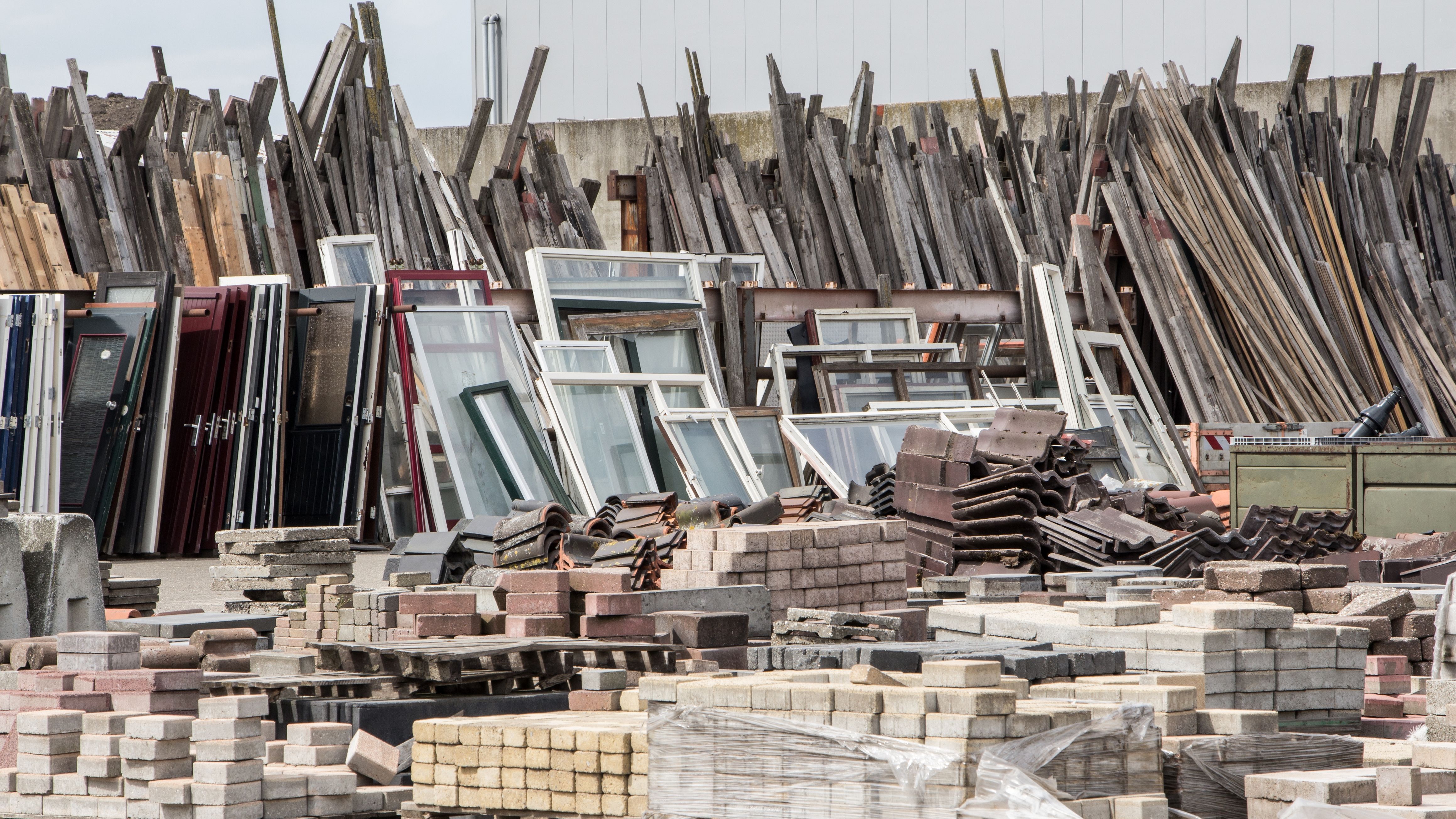
One of the primary techniques in eco-friendly demolition is deconstruction, which involves carefully dismantling buildings to salvage reusable materials. This method not only conserves resources but also reduces the energy required to produce new materials, contributing to a more sustainable construction cycle.

Innovative Technologies in Demolition
Several cutting-edge technologies are making eco-friendly demolition more efficient and effective. For instance, advanced machinery equipped with precision tools allows for selective demolition. This enables contractors to target specific areas of a structure, preserving materials that can be repurposed.
Additionally, drones are becoming increasingly popular in the industry. These unmanned aerial vehicles provide detailed aerial surveys of demolition sites, helping project managers plan more efficient workflows and identify materials suitable for recycling. This technology also enhances safety by reducing the need for manual inspections in hazardous areas.
Robotics and Automation
Robotics is another area where significant advancements are being made. Automated robots are now capable of performing complex demolition tasks with precision, reducing waste and increasing the safety of demolition sites. These robots can work in confined spaces and handle hazardous materials, further enhancing the eco-friendly approach.

Trends in Material Recycling
Recycling is at the heart of eco-friendly demolition, and Toronto is setting an example with its innovative approaches. Many companies are now specializing in recycling construction materials, such as concrete, steel, and wood. These materials are processed and reused in new construction projects, reducing the need for virgin resources.
There is also a growing trend towards the use of recycled materials in the creation of new building products. For example, recycled concrete is being used to produce new, sustainable concrete products, which helps in closing the loop in the construction material lifecycle.
Community and Economic Benefits
Eco-friendly demolition practices offer significant benefits to the community and economy. By reducing waste and pollution, these practices contribute to cleaner neighborhoods and healthier living environments. Moreover, the recycling and repurposing of materials create jobs and stimulate economic growth by supporting local industries.
The Future of Demolition in Toronto
As technology continues to evolve, the future of demolition in Toronto looks promising. The ongoing research and development in eco-friendly practices are expected to lead to even more innovations, further reducing the environmental impact of construction activities.
Government incentives and policies promoting sustainable construction are likely to encourage more companies to adopt eco-friendly demolition methods. With the construction industry playing a significant role in urban development, these practices are essential for building a sustainable future.
In conclusion, eco-friendly demolition represents a vital shift in the construction industry, and Toronto is at the forefront of this movement. By embracing new technologies and recycling practices, the city is paving the way for a greener, more sustainable urban landscape.