
Eco-Friendly Demolition: Reducing Environmental Impact in Urban Areas
Understanding Eco-Friendly Demolition
As urban areas continue to expand, the demand for demolition in cities grows. Traditional demolition methods can have significant negative impacts on the environment, including noise pollution, dust, and the release of hazardous materials. Eco-friendly demolition, however, offers a sustainable alternative, aiming to minimize the environmental footprint of these necessary activities.
Eco-friendly demolition involves several practices designed to reduce waste and pollution. By adopting these methods, construction companies can contribute to a healthier urban environment while also meeting regulatory standards and community expectations.

Techniques for Sustainable Demolition
Deconstruction
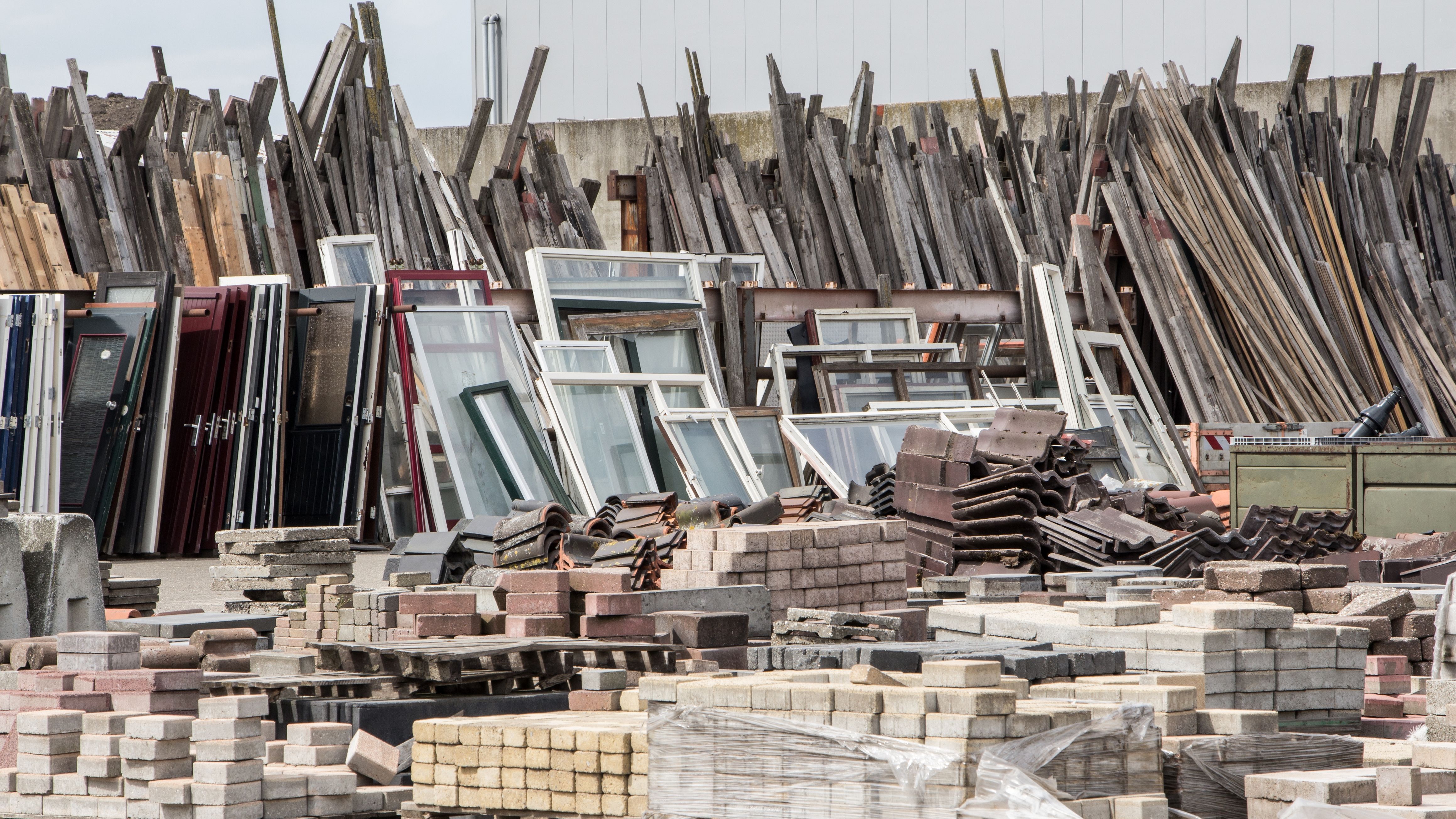
Deconstruction is a technique that involves carefully dismantling structures to salvage valuable materials for reuse or recycling. This method not only reduces waste but also conserves resources. By salvaging materials like wood, metal, and concrete, deconstruction turns potential waste into valuable resources.
Selective Demolition
Selective demolition targets specific materials or areas within a structure for removal. This approach allows for the separation of hazardous materials and ensures they are disposed of properly. Selective demolition reduces the risk of contaminating the surrounding environment and enhances the efficiency of recycling efforts.

Benefits of Eco-Friendly Demolition
The benefits of eco-friendly demolition extend beyond environmental preservation. Implementing sustainable practices can lead to reduced costs, as recycling and reusing materials often prove cheaper than new purchases. Additionally, companies that prioritize eco-friendly methods can enhance their reputation and attract environmentally-conscious clients.
Moreover, sustainable demolition practices adhere to stricter environmental regulations, reducing the risk of legal issues and fines. This proactive approach not only aligns with governmental policies but also demonstrates a commitment to corporate social responsibility.
Challenges and Solutions
Despite its benefits, eco-friendly demolition presents certain challenges. The initial cost of adopting sustainable practices can be higher than traditional methods. However, the long-term savings and environmental benefits often outweigh these initial expenses. Companies can mitigate costs by investing in training and technology that streamline eco-friendly processes.
Another challenge is the need for specialized knowledge and skills. Partnering with experienced professionals in sustainable demolition can ensure projects are completed efficiently and effectively. Additionally, continuous education and training programs can keep teams updated on the latest practices and technologies.
Conclusion
Eco-friendly demolition is an essential practice for reducing the environmental impact of urban development. By embracing sustainable techniques such as deconstruction and selective demolition, companies can significantly decrease waste and pollution. The transition to eco-friendly methods not only benefits the environment but also offers economic and reputational advantages, paving the way for a more sustainable future in urban landscapes.