
Expert Tips for Safe and Efficient Concrete Demolition
Understanding the Basics of Concrete Demolition
Concrete demolition is a complex task that requires careful planning and execution. Whether you're working on a small residential project or a large commercial site, understanding the basics is crucial to ensure safety and efficiency. Concrete, known for its durability, can be challenging to break down, but with the right approach, it can be managed effectively.
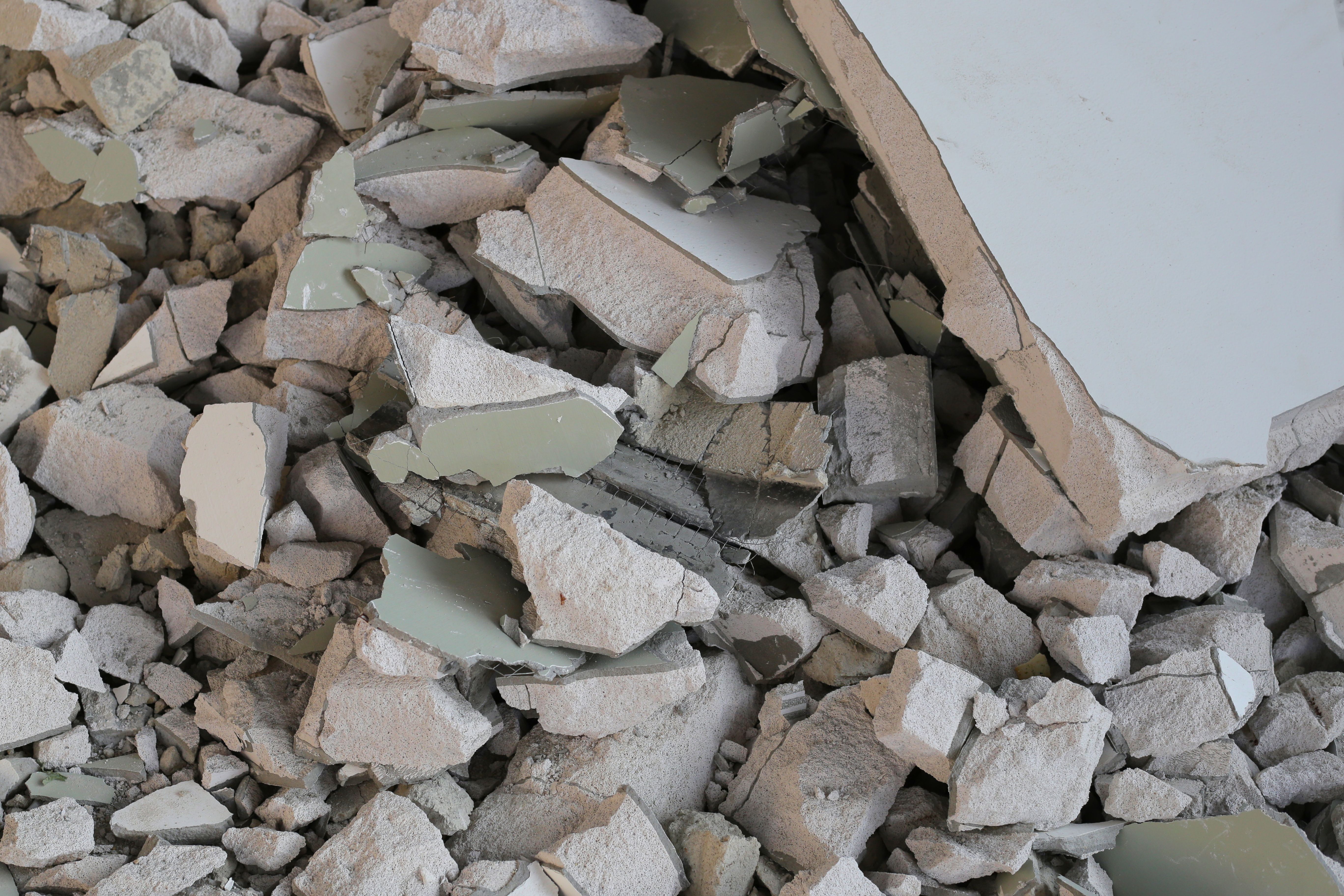
The first step in any demolition project is to assess the area. This involves checking for any underground utilities, understanding the type of concrete used, and determining the thickness of the slab. Proper assessment helps you choose the right tools and methods for demolition, minimizing risks and maximizing efficiency.
Choosing the Right Tools for the Job
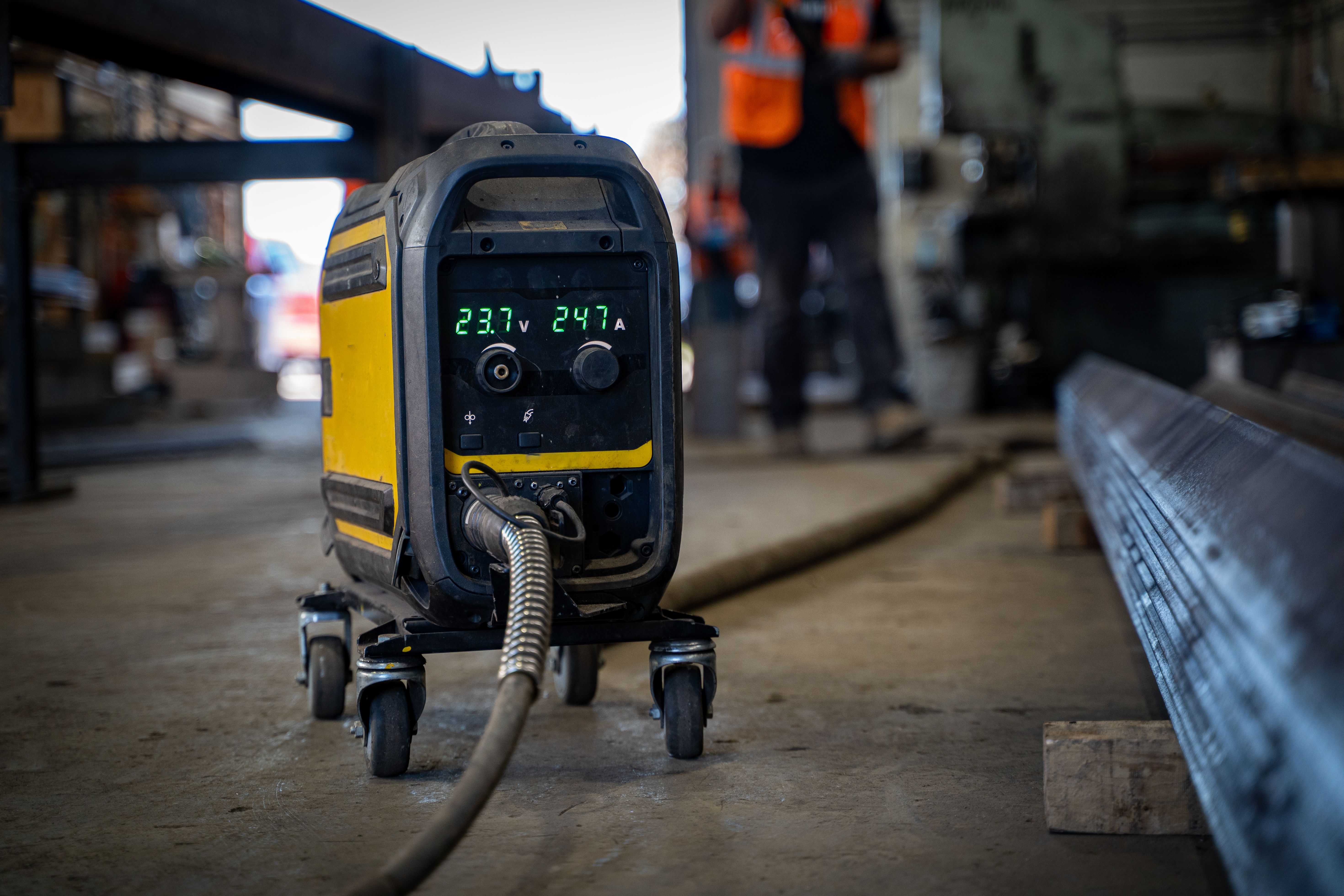
Using the appropriate tools is essential for safe and efficient concrete demolition. The type of tools you'll need depends on the size and scope of your project. Common tools include sledgehammers, jackhammers, and saws. For larger projects, heavy machinery like excavators may be required.
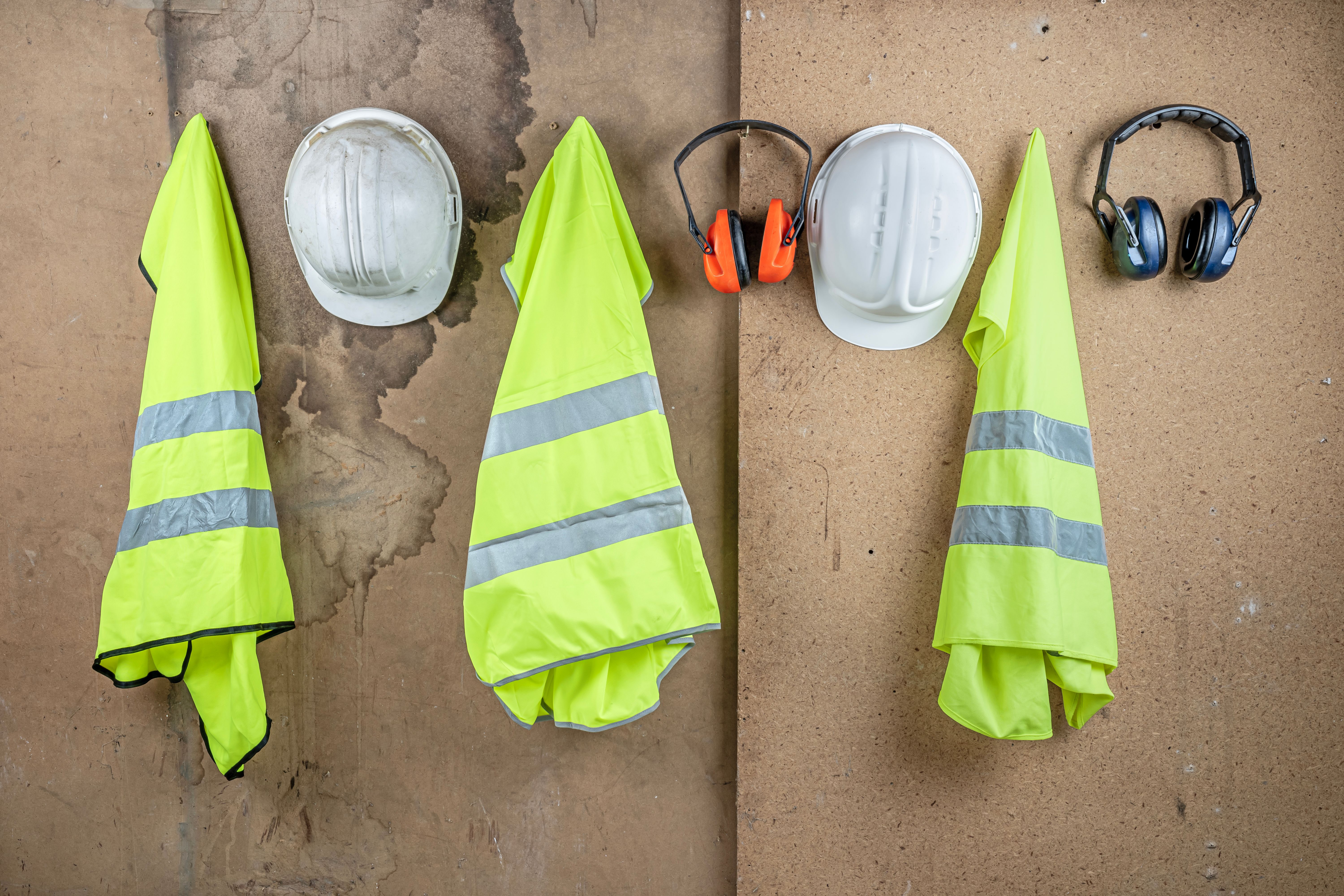
It's important to ensure that all equipment is in good working condition and that operators are trained in their use. This not only improves efficiency but also reduces the risk of accidents. Safety gear such as helmets, gloves, and eye protection should always be worn.
Safety Measures to Consider
Safety should always be a top priority in any demolition project. Start by creating a comprehensive safety plan that outlines potential hazards and the steps to mitigate them. Ensure that everyone on site is aware of the plan and knows their role in maintaining a safe environment.
- Conduct regular safety briefings.
- Use barriers to keep unauthorized personnel away from the demolition area.
- Ensure proper ventilation, especially in enclosed spaces.
Efficient Techniques for Concrete Removal
Efficiency in concrete demolition is achieved through a combination of technique and technology. One popular method is using controlled demolition, which involves cutting the concrete into manageable sections before removal. This reduces the amount of dust and debris, making cleanup easier.
Another technique is using chemical demolition agents. These agents expand within the concrete, causing it to crack and break apart. This method is less noisy and creates less vibration, which is ideal for sensitive environments.
Disposal and Cleanup
Once the concrete has been demolished, proper disposal is crucial. Many areas have specific regulations regarding the disposal of construction materials. It's important to follow these regulations to avoid fines and environmental damage.
Recycling is an excellent option for concrete waste. Many facilities accept concrete for processing, where it can be crushed and repurposed for other projects. This not only helps the environment but can also reduce disposal costs.

Final Thoughts
Concrete demolition, while challenging, can be handled safely and efficiently with the right approach. By understanding the basics, choosing the right tools, prioritizing safety, and employing efficient techniques, you can successfully manage any demolition project.
Remember, thorough planning and adherence to safety protocols are essential. Whether you're a seasoned professional or new to the field, these expert tips will help guide you through the process, ensuring a successful outcome.