
Expert Tips for Safe and Efficient Demolition in Urban Toronto
Understanding Urban Demolition
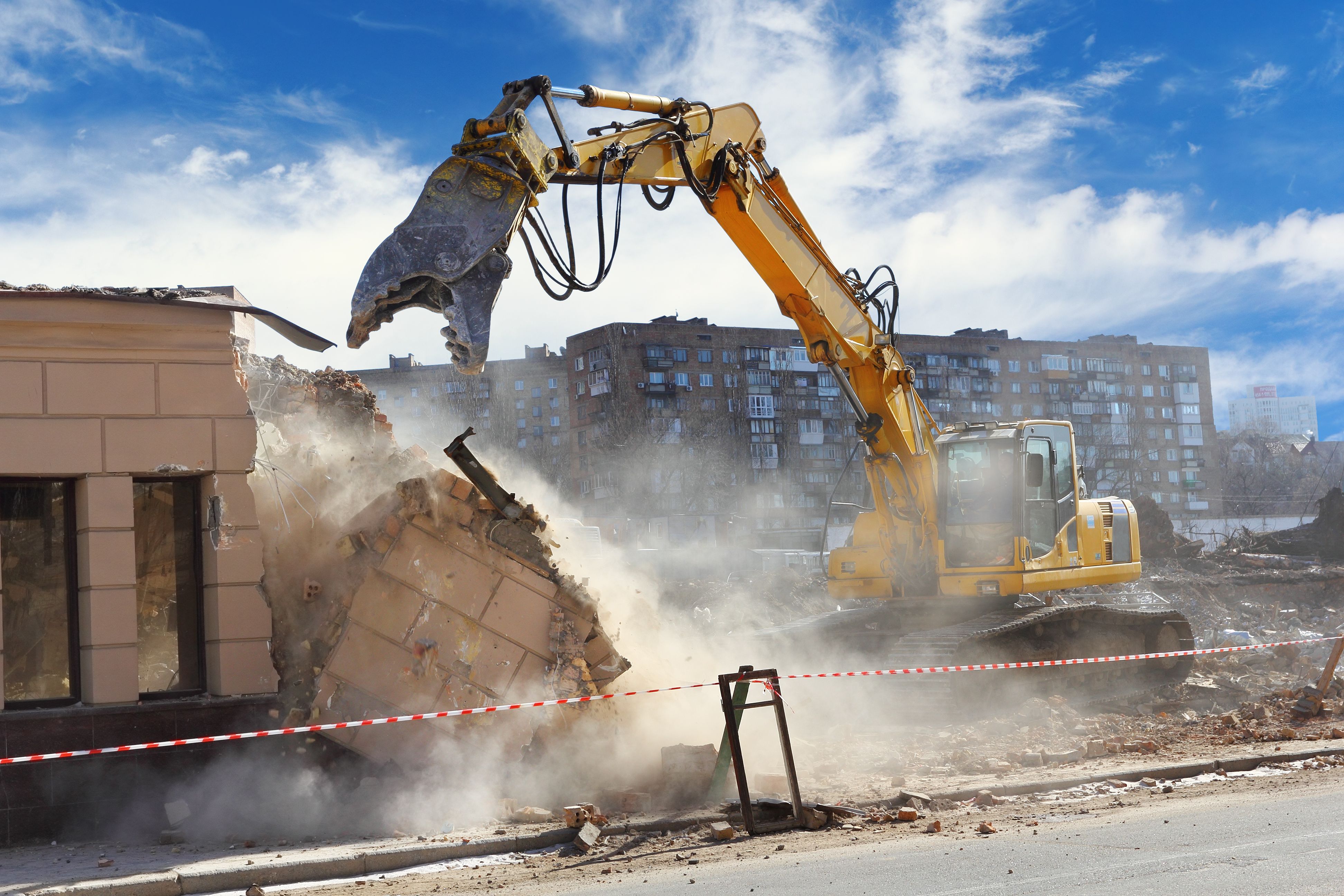
Demolition in urban settings like Toronto requires precise planning and execution. With buildings tightly packed and bustling streets, ensuring safety while minimizing disruption is key. This makes the process both challenging and exhilarating for professionals in the field.
Pre-Demolition Planning
Effective demolition begins with thorough planning. Assessing the structure and its surroundings is crucial. Experts conduct detailed surveys to identify potential hazards and determine the best methods for bringing down the building safely. This stage also involves securing necessary permits from local authorities.
Engaging with local communities and stakeholders is another important step. Informing residents and businesses about the timeline and potential disruptions helps maintain good relations and ensures smooth operations.
Prioritizing Safety
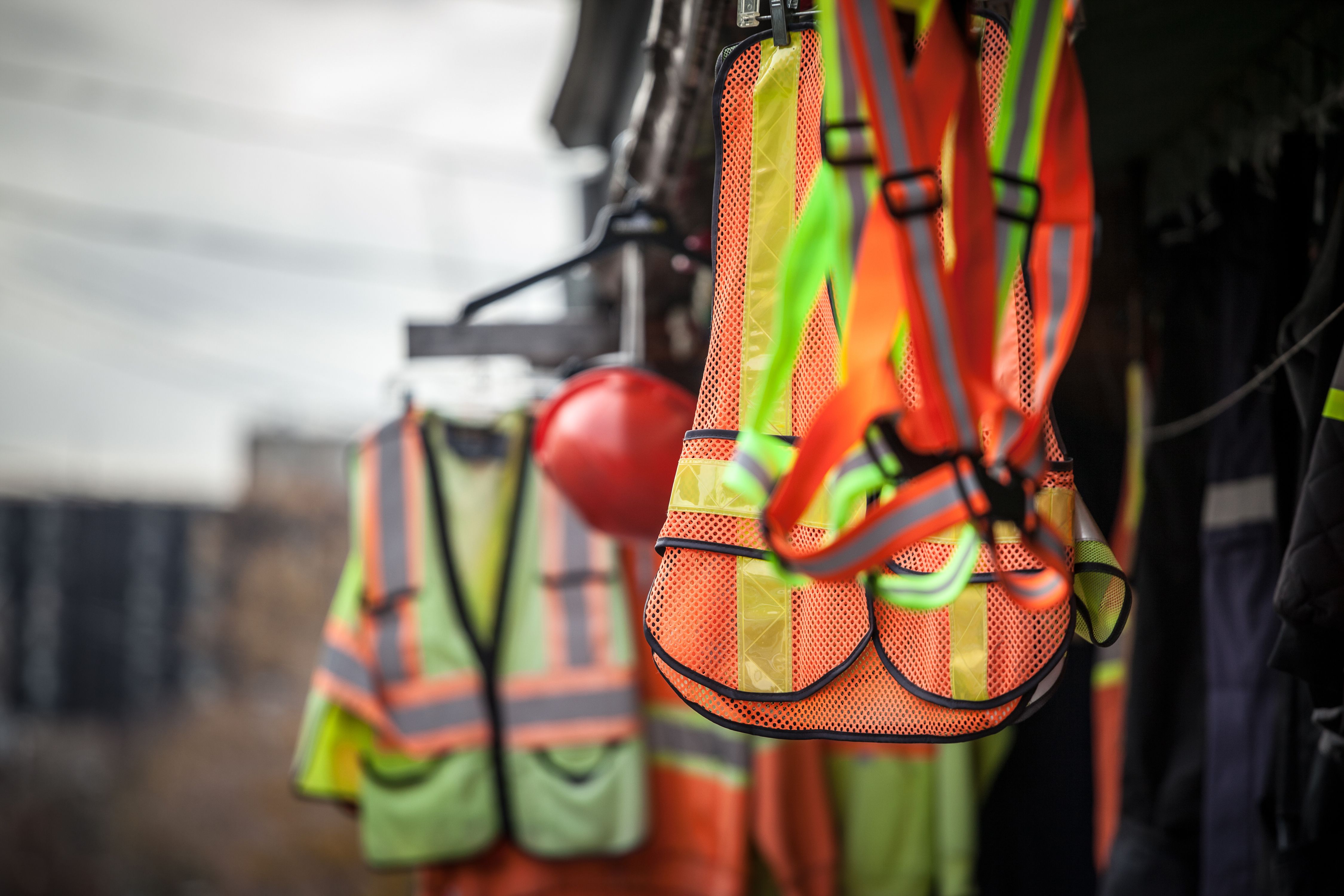
The safety of workers and the public is paramount in demolition projects. Professionals must adhere to strict safety standards and guidelines. This includes using proper personal protective equipment (PPE) and employing skilled workers trained in the latest demolition techniques.
Choosing the Right Demolition Techniques
Different structures require different demolition methods. In urban areas, controlled demolition techniques such as implosion or high-reach arm demolition are often used to minimize impact on adjacent buildings. Selecting the right technique is crucial for efficiency and safety.
Mechanical demolition using excavators and wrecking balls is common for smaller buildings, while larger structures might require more sophisticated approaches. The choice of method depends on factors like building size, location, and construction materials.
Environmental Considerations
Urban demolition must also account for environmental impacts. Recycling and reusing materials from the demolition site can significantly reduce waste. Experts strive to salvage materials like steel and concrete, minimizing the environmental footprint of the project.

Efficient Debris Management
Managing debris efficiently is a critical component of urban demolition. Proper sorting and disposal ensure that waste is handled in an environmentally friendly manner. Partnering with local waste management firms can streamline this process.
Implementing dust control measures is also vital to protect air quality in the surrounding area. Techniques such as water spraying can help keep dust levels under control, safeguarding the health of workers and residents alike.
Utilizing Technology
Modern technology plays a significant role in enhancing demolition safety and efficiency. Drones, for example, can be used for site surveys and real-time monitoring. These tools provide valuable data that can be used to refine demolition strategies.
Advanced machinery equipped with sensors and automation capabilities further boosts precision and reduces the risk of human error. By embracing innovation, demolition experts can execute projects more effectively.

Conclusion
Demolition in urban Toronto demands a delicate balance of safety, efficiency, and environmental responsibility. By following expert tips and leveraging modern technologies, demolition professionals can successfully navigate the complexities of urban projects, ensuring minimal impact on the cityscape and its residents.