
Preparing Your Home for Demolition: Essential Steps and Tips
Understanding the Demolition Process
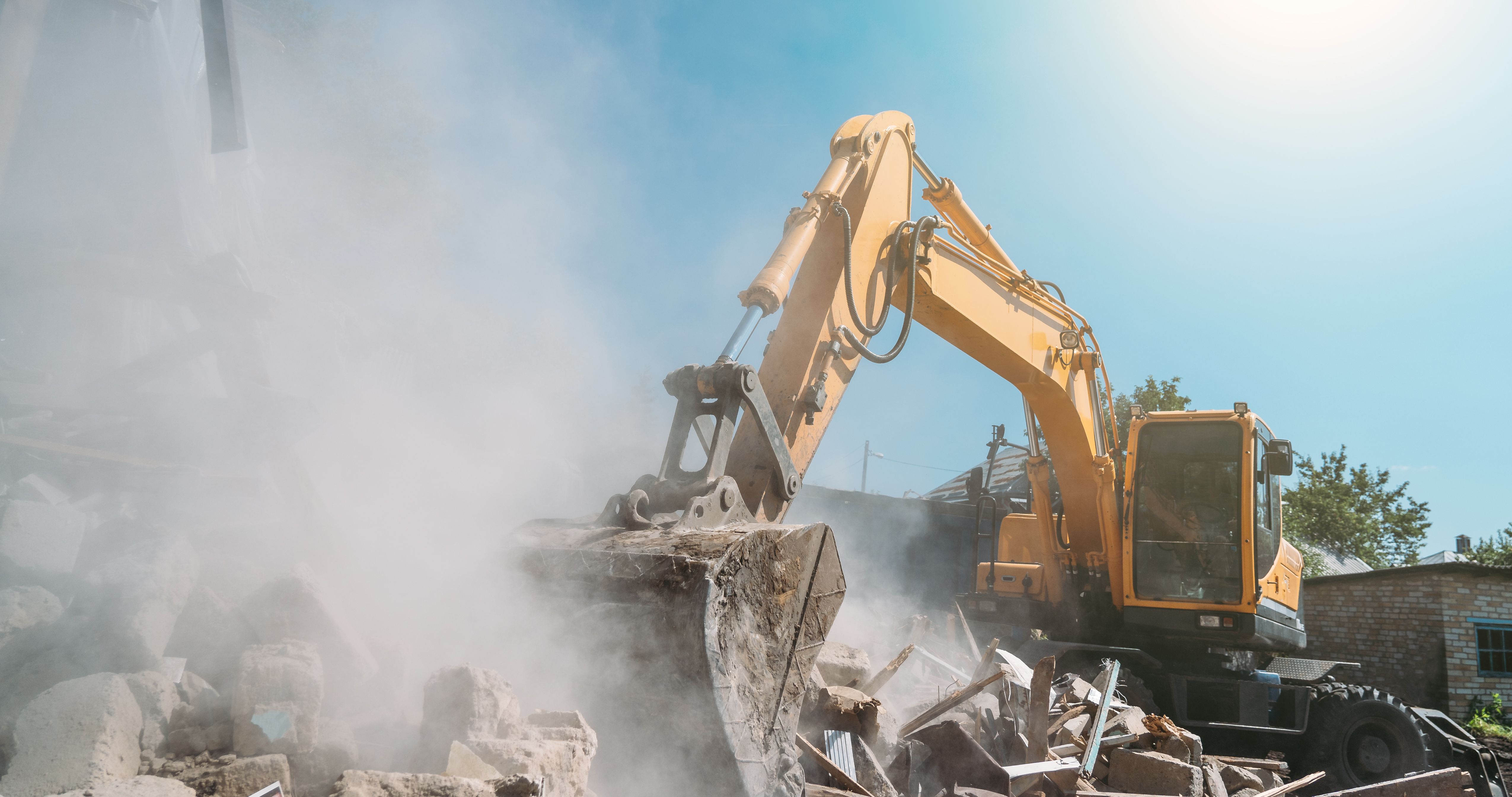
Preparing your home for demolition can be a daunting task, but with the right steps, you can ensure a smooth and safe process. Demolition involves tearing down a structure, and it requires meticulous planning and execution. Whether you're demolishing for renovation or rebuilding, understanding the demolition process is crucial.
Obtaining Necessary Permits
Before any demolition work begins, it's essential to secure the necessary permits from your local authorities. This step is non-negotiable and ensures that your project complies with all relevant regulations. Failure to obtain the right permits can lead to legal issues and delays.
Contact your local building department to learn about the specific permits needed in your area. This might include permits for asbestos removal, noise, and even waste disposal. Be prepared to provide detailed plans for your demolition project.
Disconnecting Utilities
One of the most critical steps in preparing for demolition is disconnecting utilities such as water, electricity, gas, and sewage. This prevents accidents and ensures the safety of both the workers and neighboring properties. Coordinate with utility companies to schedule disconnections ahead of time.

Ensuring Safety Measures
Safety should be your top priority during a demolition project. Ensure that all workers are equipped with personal protective equipment (PPE) and are trained on safety protocols. Implement barriers and signage to keep unauthorized personnel away from the site. Regular safety inspections can also help in preventing accidents.
It's advisable to hire a professional demolition contractor who understands the intricacies of the process and can prioritize safety effectively.
Removing Hazardous Materials
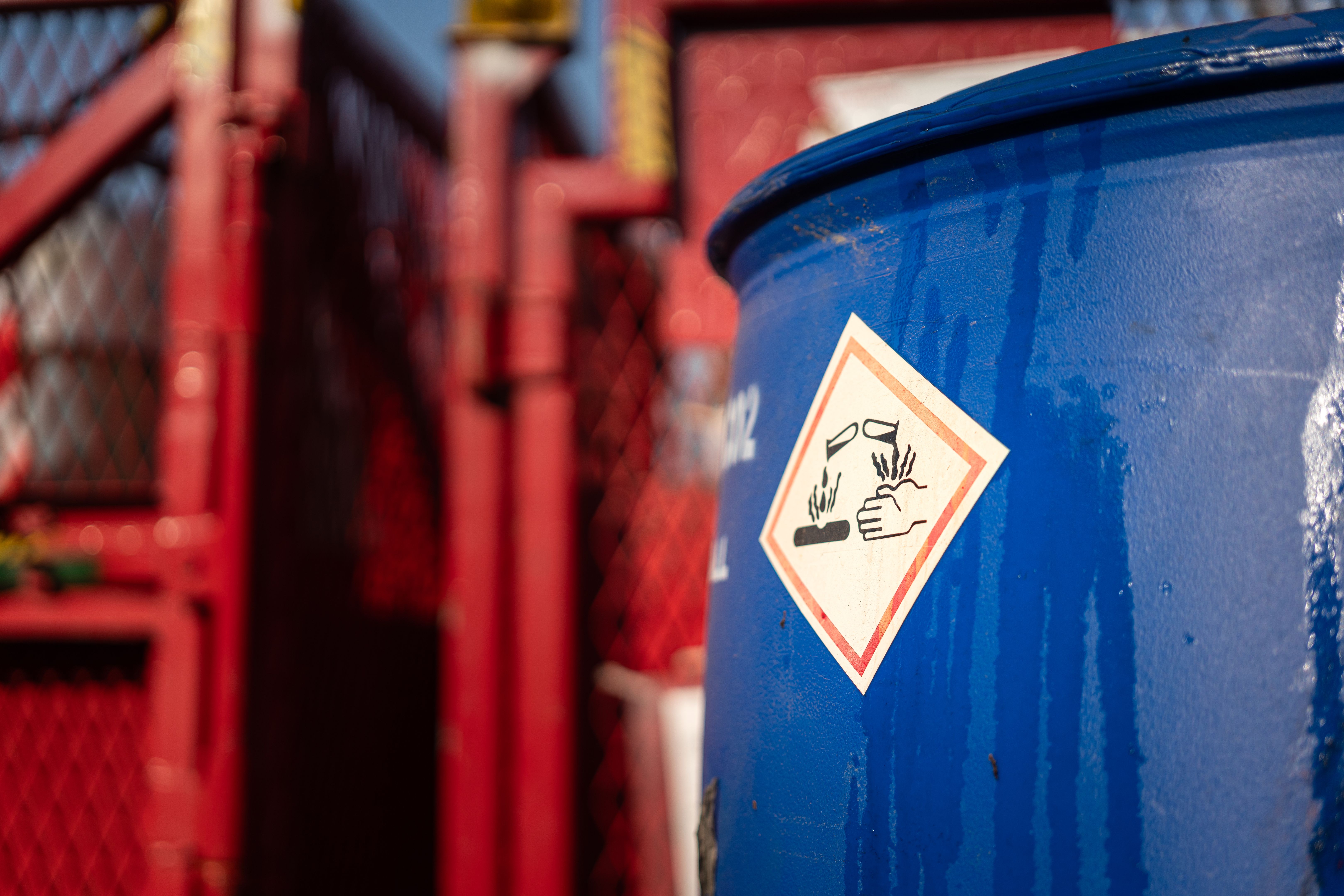
Before demolition, it's important to identify and remove any hazardous materials like asbestos, lead paint, or mold. These materials require special handling and disposal methods to prevent health risks. Consider hiring environmental experts to assess and remove these substances safely.
Clearing the Property
Clear the property of all personal belongings and salvageable materials. Items such as doors, windows, and fixtures can often be reused or recycled. Create a checklist to ensure nothing of value is left behind before the demolition team arrives.
Consider donating or selling items that are in good condition. Not only does this minimize waste, but it also contributes to sustainability efforts.
Notifying Neighbors
Demolition can be disruptive, so it's courteous to inform your neighbors about your plans. Share details about the timeline and potential noise levels. Maintaining open communication can help mitigate any inconvenience caused by the demolition process.

Final Walkthrough
Before the demolition begins, conduct a final walkthrough of your property with the demolition team. Verify that all essential preparations are complete, including the disconnection of utilities and removal of hazardous materials. This walkthrough ensures that everyone is on the same page and ready to proceed.
By following these essential steps and tips, you can prepare your home for demolition effectively, ensuring a smooth and hassle-free process.