
Understanding the Process of Professional Demolition: A Step-by-Step Approach
Introduction to Professional Demolition
Professional demolition is a complex process that involves more than just knocking down buildings. It requires careful planning, skilled execution, and adherence to safety protocols. Whether it's a small residential structure or a large industrial site, understanding the step-by-step approach to demolition can provide clarity and appreciation for this critical aspect of construction and redevelopment.
Initial Planning and Assessment
The first step in any demolition project is thorough planning and assessment. This involves evaluating the structure to be demolished, understanding its materials, and identifying any potential hazards. Environmental considerations, such as the presence of asbestos or other hazardous materials, are also assessed during this phase.
Site Survey and Analysis
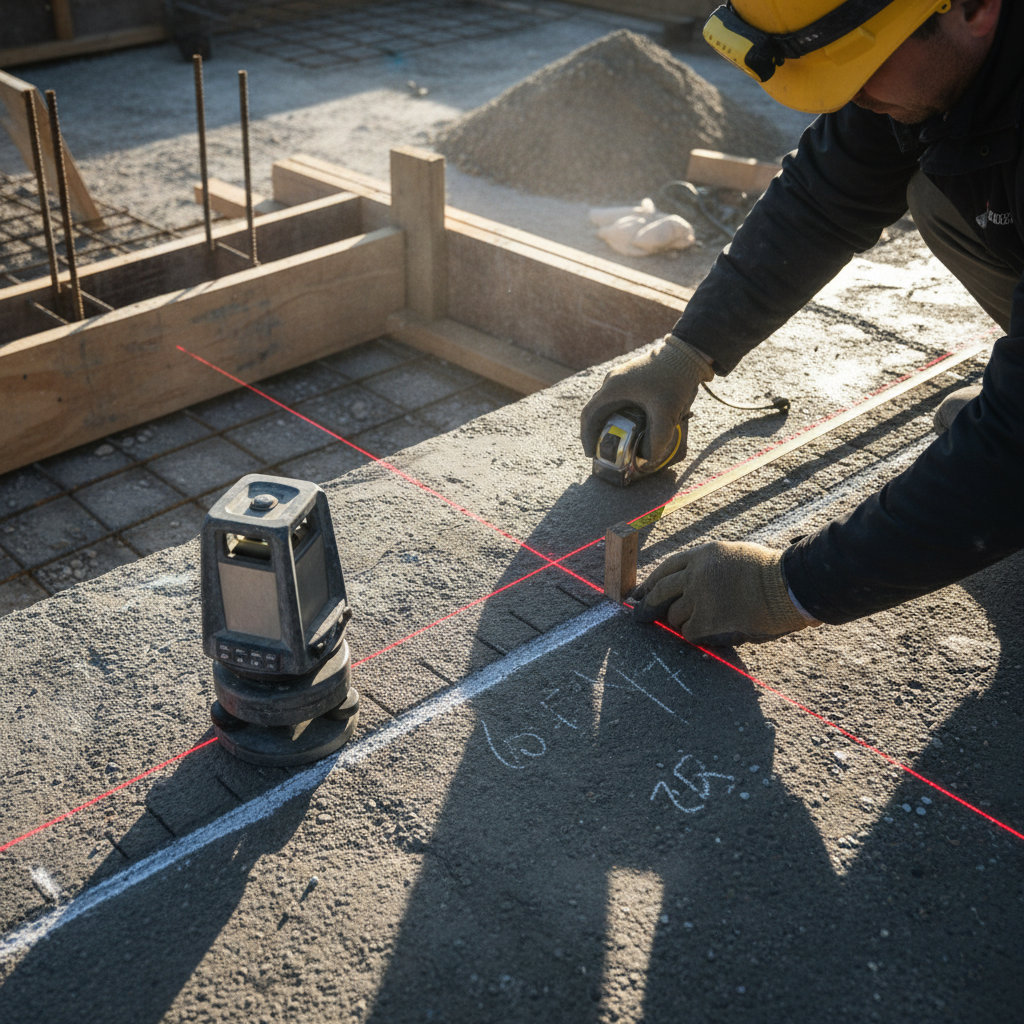
A comprehensive site survey is conducted to gather detailed information about the building and its surroundings. This includes the structural integrity, utility connections, and proximity to other structures. This analysis helps in developing a demolition strategy that minimizes risk and maximizes efficiency.
Obtaining Necessary Permits
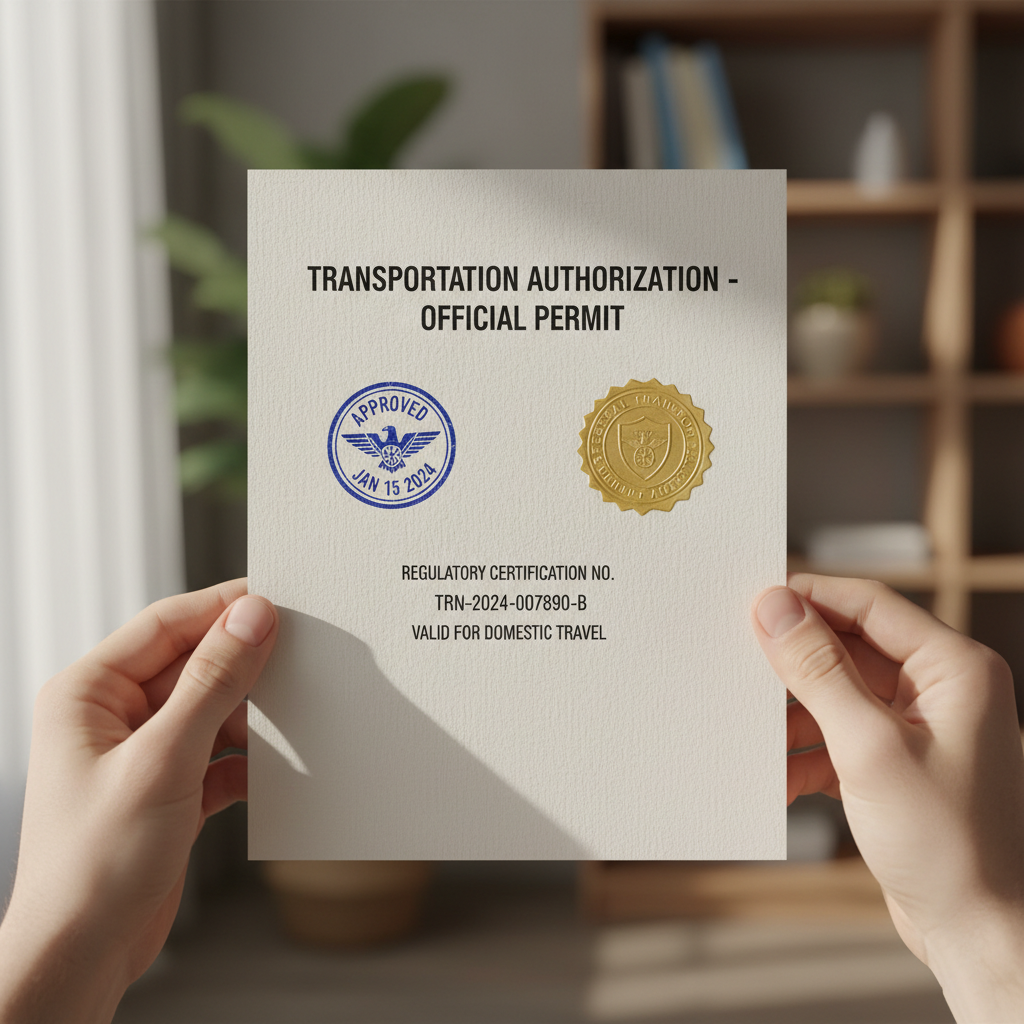
Before any demolition can begin, it is essential to obtain the necessary permits from local authorities. These permits ensure that the demolition complies with legal and environmental regulations. The process may vary depending on the location and the scale of the project, but it typically involves submitting detailed plans and assessments.
Environmental Compliance
Adhering to environmental regulations is crucial in the demolition process. This includes managing waste, reducing dust and noise pollution, and ensuring that any hazardous materials are handled appropriately. Compliance with these regulations helps protect both the environment and the community.
Executing the Demolition
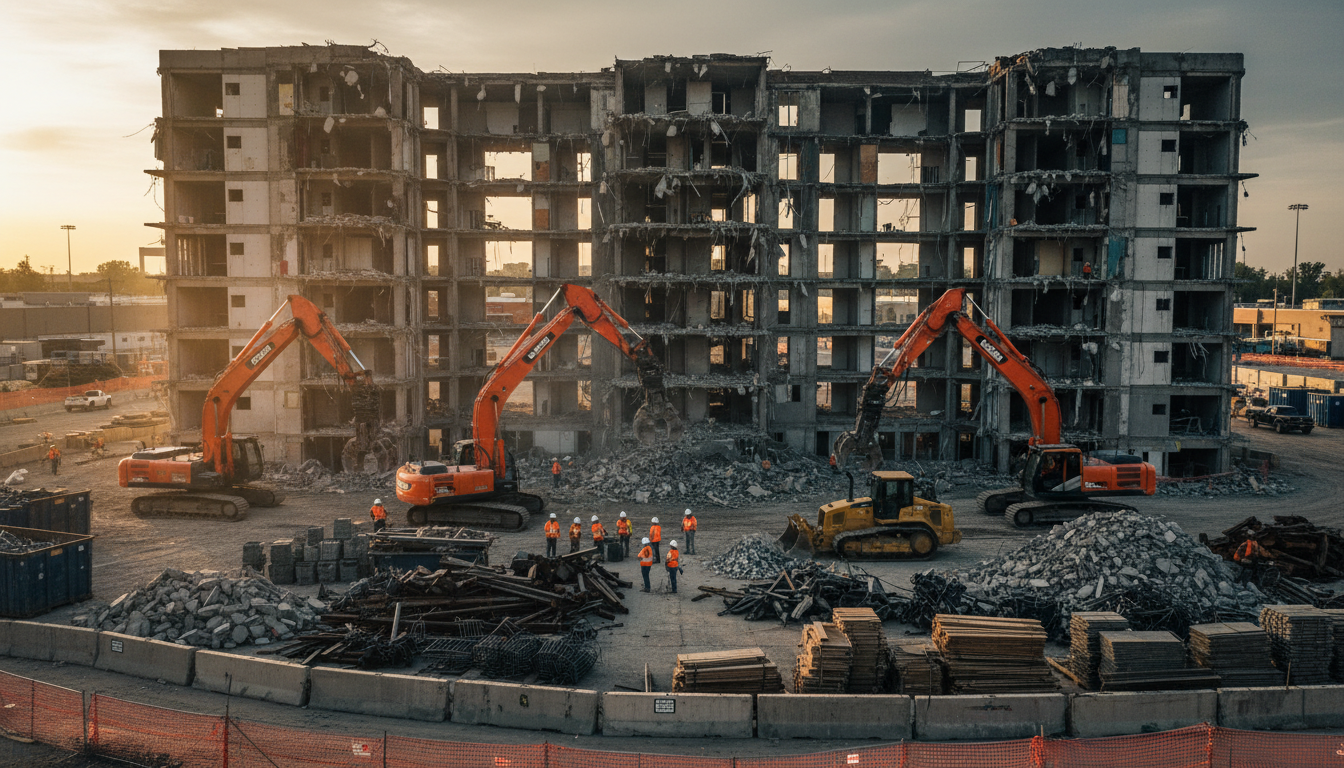
Once all the planning and permits are in place, the actual demolition process can begin. This involves the careful dismantling or destruction of the structure using various tools and machinery. The method of demolition can vary based on the type of building and the surrounding area.
Methods of Demolition
- Mechanical Demolition: Utilizes heavy machinery like excavators and wrecking balls to bring down structures.
- Implosion: Involves using explosives to collapse the building inward, suitable for large structures in dense areas.
- Deconstruction: A more meticulous process that involves dismantling the structure piece by piece to salvage materials.
Post-Demolition Cleanup and Recycling
After the demolition is completed, the site must be thoroughly cleaned. This involves the removal of debris and hazardous materials, ensuring that the site is safe for future use or construction. Recycling plays a significant role in this phase, as many materials can be repurposed or recycled, reducing waste and promoting sustainability.
Site Rehabilitation
The final step in the demolition process is site rehabilitation, which prepares the land for new construction or development. This may involve soil stabilization, grading, and planting, depending on the future plans for the site.

Conclusion
Understanding the process of professional demolition reveals the intricacies and expertise involved in safely and efficiently dismantling structures. From initial planning to site rehabilitation, each step plays a crucial role in ensuring successful outcomes. By following this step-by-step approach, demolition professionals can contribute to sustainable development and urban renewal.